
Sunday, 25 October 2015

Saturday, 24 October 2015
Thursday, 22 October 2015
Title sequence of 'The Stepfather'
- The ident
- The ident on the moving image
- Name of the film company and the production company
- The title of the film
- The actors names (they individually come up 12 times)
- The casting crew
- The costume designer
- The music supervisor
- Who the music was by
- Who it was edited by
- The production designer
- The director of photography
- The executive producers
- The director
This title sequence was mainly affected by the amount of money used for production, as this way of presenting the title sequence is one of the most basic and standard ways of doing a title sequence. It is also one of the cheapest title sequences to make. As there are no big actors in the film the title of the film is shown before any of the names of the actors as there reputation will be based on the name of the film. Each of the titles roughly stay up for three seconds. The size is moderately small and easily understandable also, the font used is very crystal clear and not complex.
23. Initial creative ideas
Our group was given two pieces of paper. One had a location and the other had a prop. The location we got was Germany and our prop was a hat.

Our initial idea was to make the main location a school as a hat is usual something young people wear.
We then storyboarded our ideas, the rough idea was that a boy in a school finds a hat that will have some form of significance to him.
There where two films that influenced us on our storyline/plot, Schindler's list (1993) and Fateless (2005).
Wednesday, 21 October 2015

Tuesday, 20 October 2015
21. Practical remake activity - evaluate the success of your practical activity - include images to support your comments
The making of the remake of the title sequence se7en was successful in some ways and slightly unsuccessful in others.
The Planning
We had to make a storyboard for the opening shots of Se7en. However, there were way too many shots. We decided to use photo bucket, and screenshot all of the shots. This was helpful because the shots used are hard to draw and we could visually see what colours were used. An issue we had was that the shots were not in order in the slideshow, and we ended up watching the video, pausing each shot instead.
The Filming
During the filming we had a dark room that we could use to replicate the shots of the title sequence. Se7en had a few props that we didn't have. We managed to improvise and use other props that fit the shots.
The Planning
We had to make a storyboard for the opening shots of Se7en. However, there were way too many shots. We decided to use photo bucket, and screenshot all of the shots. This was helpful because the shots used are hard to draw and we could visually see what colours were used. An issue we had was that the shots were not in order in the slideshow, and we ended up watching the video, pausing each shot instead.
The Filming
During the filming we had a dark room that we could use to replicate the shots of the title sequence. Se7en had a few props that we didn't have. We managed to improvise and use other props that fit the shots.
Monday, 19 October 2015
Saturday, 17 October 2015
Thursday, 15 October 2015
18. Practical Remake Activity - Post your planning decisions and storyboard
As a group we decided we are going to remake the title sequence of the movie ''Se7en'. We found it difficult to draw a storyboard, as there were too many shots, so we decided to use the youtube video for each shot.
Wednesday, 14 October 2015
17. Genre shortlist - list no more than 3 genres that you may choose from to produce your own title sequence.
Thriller
Thrillers are a great genre to make a title sequence with because there are lots of shots that you can experiment with. For example there are normally wide shots, establishing shots and close ups/extreme close ups. Thrillers also don't require a lot of effort scripting. There is a lot of sound editing used in this type of genre e.g foley sound and bass drone.
Horror
Similarly, horrors use a range of camera angles, but there would be a bit more work scripting and possibly setting up costumes. Quite a large sum of foley sound would be requires.
Action
Actions are intense and require lots of shots to fill the 1-3 shot length. This is a great way of experimenting with match-cutting and also the music. Music is very important to action movies/shows as I have learned of Magnum P.I.
Thrillers are a great genre to make a title sequence with because there are lots of shots that you can experiment with. For example there are normally wide shots, establishing shots and close ups/extreme close ups. Thrillers also don't require a lot of effort scripting. There is a lot of sound editing used in this type of genre e.g foley sound and bass drone.
Horror
Similarly, horrors use a range of camera angles, but there would be a bit more work scripting and possibly setting up costumes. Quite a large sum of foley sound would be requires.
Action
Actions are intense and require lots of shots to fill the 1-3 shot length. This is a great way of experimenting with match-cutting and also the music. Music is very important to action movies/shows as I have learned of Magnum P.I.
Monday, 12 October 2015
Sunday, 11 October 2015
15. Why is sound so important in film?
Sound is important in films because it uses all the sound, foley sound, sound effects to create a soundscape. This is just as important as the footage in setting the tone of the movie. A great example of this was in class. We were shown the title sequence of 'The Shinning', but, without the sound we were unable to understand a tracking shot of a car in the road, country side was a thriller, as the bass drone sets most of the genre. People in the class thought it was a documentary or adventure film because we didn't think anything bad was going to happen. The sound was good at suspending disbelief; more senses are being used with sound. The title sequence was also more interesting with the music. When we did a test, listening to only the sound of the title sequences of movies, we were able to identify genre better than watching a moving image, and we guessed the movie correctly.
14. Summarise your findings of the genre conventions in film openings from your chosen genre.
Thrillers tend to have dark lighting, creepy music, low angles, and wide or long shots. The establishing shots set location and tone of the movie this builds tension and suspense to the audience, from their experience of thriller movies. In the movie 'Stepfather', the title sequences shows a range of props. These props are useful to identifying the character. for example the razors lined up in the movie, 'Stepfather', and created suspense with a bass drone. Normally thriller films use tracking and panning shots in the beginning of the movie to make you feel like the person is not alone, and someone else is present. This is a great way of suspending disbelief, as the tone is being set by the anonymity.
13. Analyse three title sequences of your chosen genre
Se7en (1995) — Art of the Title - Thriller
Macro: The storyline in the title sequence shows a man scheming some sort of evil plan. We initially see the killer, but not his face. We are also unable to see his social class, but we presume he is of a higher education from all the intelligent plotting he is doing. There are themes of ambiguity in the title sequence, possibly creating questions to engage the audience.
Micro: Close ups, overlapping film, cut to black, screeching noises, and pulsating beat, Handwritten font, Books, pictures, news articles
Order of title credits: Idents, company producers, film producer, famous actors, movie title, actors, casting, music, costumes designer, editors, production designer, director of photography, co-producers, co-executive producers, executive producers, writer, producer, director.
Magnum, P.I. (1980) — Art of the Title - Action
Macro: The storyline is shows Magnum, a hero, who saves the day. We see the character fighting bad people (crime) in Hawaii. The theme is crime.
Micro: Panning (establishing shots), Words enlarge transition, upbeat music, quick cuts, guns, cars, fire, explosions
Order of title credits: Title, Main actors
Back to the Future (1985) — Art of the Title - Action
Macro: The storyline shows a theft of plutonium in the news, and we find out from the boy who enters the room that the guy that stole it is called doc.
Micro: long shots, close ups panning, ticking sound, clocks, mechanical inventions, skateboard
Order of title credits: Director, film maker, title, main actors, casting, music, editors, production designer, director of photography, executive producers, writers, producers, director.
Macro: The storyline in the title sequence shows a man scheming some sort of evil plan. We initially see the killer, but not his face. We are also unable to see his social class, but we presume he is of a higher education from all the intelligent plotting he is doing. There are themes of ambiguity in the title sequence, possibly creating questions to engage the audience.
Micro: Close ups, overlapping film, cut to black, screeching noises, and pulsating beat, Handwritten font, Books, pictures, news articles
Order of title credits: Idents, company producers, film producer, famous actors, movie title, actors, casting, music, costumes designer, editors, production designer, director of photography, co-producers, co-executive producers, executive producers, writer, producer, director.
Magnum, P.I. (1980) — Art of the Title - Action
Macro: The storyline is shows Magnum, a hero, who saves the day. We see the character fighting bad people (crime) in Hawaii. The theme is crime.
Micro: Panning (establishing shots), Words enlarge transition, upbeat music, quick cuts, guns, cars, fire, explosions
Order of title credits: Title, Main actors
Back to the Future (1985) — Art of the Title - Action
Macro: The storyline shows a theft of plutonium in the news, and we find out from the boy who enters the room that the guy that stole it is called doc.
Micro: long shots, close ups panning, ticking sound, clocks, mechanical inventions, skateboard
Order of title credits: Director, film maker, title, main actors, casting, music, editors, production designer, director of photography, executive producers, writers, producers, director.
12. Post your target audience research homework
Task 1
What is an audience?
An audience is an individual or group of people who read or consume and media text.
How do we define target audience?
- Where your target audience is located
- Are they female, male or both?
- What is there average age?
- What are their common interests?
- What is their income range?
- What common values do they share?
Why is it useful for a film to have a target audience?
Knowing your target audience can help to save money and is always the start of any advertising campaign.
Which audiences do you think different genres appeal to?
An example of a genre that appeals to a certain target audience are newspapers. They are aimed at working class, middle aged people.
Task 2
Coming soon...
Task 3
Coming soon...
What is an audience?
An audience is an individual or group of people who read or consume and media text.
How do we define target audience?
- Where your target audience is located
- Are they female, male or both?
- What is there average age?
- What are their common interests?
- What is their income range?
- What common values do they share?
Why is it useful for a film to have a target audience?
Knowing your target audience can help to save money and is always the start of any advertising campaign.
Which audiences do you think different genres appeal to?
An example of a genre that appeals to a certain target audience are newspapers. They are aimed at working class, middle aged people.
Task 2
Coming soon...
Task 3
Coming soon...
11. Post your answers to the BFI Statistics yearbook
GENRE – Chapter 4
The three most popular movie genres in 2013, in order, were animation, action, and comedy, according to UK box office. On the other end of the scale, we have the least successful genres. These were: romance, documentaries and war. Comedy released the most titles at 153 releases in 2013; drama had 141, and documentaries, 89. Despite being the most popular genres, animation only released 33 titles, and action released 47. This information tells me that small numbers of high grossing releases are the what affects the top genres of movies, as a larger audience are watching this genre.
AUDIENCES – Chapter 15
The most common film audience in 2013 were 15-24 years old. The most successful movie for this age group was 'The Hangover III'. 'Quartet' was the most common movie for 55+ cinema-goers. Action, comedies and thrillers were the most popular genres with men. Women had a large range of genres witch they watched. The UK films applied to all demographic groups, but a particular appeal to those 45+. 7-14 year old demographic top three most popular movies were 'Wreck-it Ralph', 'Despicable Me 2' and 'Monsters University'. Their preferred genre was animation. The three films most popular with the 35-44 age group were 'Frozen', 'The Croods' and 'Jack and the Giant Slayer'. This makes sense as, in context, parents would take their children to the cinema. 25-34 had a strong appeal to action movies and their top movies were 'Django Unchained', followed by 'Fast & Furious 6', and 'Rush and Trance'. Social class, C1, top three movies were 'Rush' 'Captain Phillips' and 'Gravity'. Social class, C2, top three movies were 'Oz the Great and Powerful' 'Fast & Furious 6' and 'Despicable Me 2'. Scotland's most popular films were: 'Sunshine on Leith', 'Filth' and 'Star Treck Into Darkness'. London's top three movies were 'Django Unchained', 'Fast and Furious 6', and 'Gravity'. London's audience prefers action movies whereas Scotland prefers more relaxed films.
The three most popular movie genres in 2013, in order, were animation, action, and comedy, according to UK box office. On the other end of the scale, we have the least successful genres. These were: romance, documentaries and war. Comedy released the most titles at 153 releases in 2013; drama had 141, and documentaries, 89. Despite being the most popular genres, animation only released 33 titles, and action released 47. This information tells me that small numbers of high grossing releases are the what affects the top genres of movies, as a larger audience are watching this genre.
AUDIENCES – Chapter 15
The most common film audience in 2013 were 15-24 years old. The most successful movie for this age group was 'The Hangover III'. 'Quartet' was the most common movie for 55+ cinema-goers. Action, comedies and thrillers were the most popular genres with men. Women had a large range of genres witch they watched. The UK films applied to all demographic groups, but a particular appeal to those 45+. 7-14 year old demographic top three most popular movies were 'Wreck-it Ralph', 'Despicable Me 2' and 'Monsters University'. Their preferred genre was animation. The three films most popular with the 35-44 age group were 'Frozen', 'The Croods' and 'Jack and the Giant Slayer'. This makes sense as, in context, parents would take their children to the cinema. 25-34 had a strong appeal to action movies and their top movies were 'Django Unchained', followed by 'Fast & Furious 6', and 'Rush and Trance'. Social class, C1, top three movies were 'Rush' 'Captain Phillips' and 'Gravity'. Social class, C2, top three movies were 'Oz the Great and Powerful' 'Fast & Furious 6' and 'Despicable Me 2'. Scotland's most popular films were: 'Sunshine on Leith', 'Filth' and 'Star Treck Into Darkness'. London's top three movies were 'Django Unchained', 'Fast and Furious 6', and 'Gravity'. London's audience prefers action movies whereas Scotland prefers more relaxed films.
Saturday, 10 October 2015
10. What is Genre?
Genre is the type/category of film. For example Romance. There are certain genre tropes to that genre. Genre tropes include: characters, props, lighting, location, shot types. Movies can also have more than one genre. A sub-genre is two genres in a movie, Rom-Com, and a hybrid genre is three or more genres, British-Romantic-Comedy.
Friday, 9 October 2015
9. What are the 4 different types of film openings?
4 different types of film openings.
1. Titles on a blank screen
2. Titles on still images
3. Titles on moving images
4. Titles using animation or motion
My favourite type of opening is titles using animation.
I find the animations do a good job at portraying the concepts of the movies.
1. Titles on a blank screen
2. Titles on still images
3. Titles on moving images
4. Titles using animation or motion
My favourite type of opening is titles using animation.
I find the animations do a good job at portraying the concepts of the movies.
Thursday, 8 October 2015
8. Pick a favourite film, analyse the type of title sequence it uses, and order the credits are in
Django Unchained (Opening Credits)
Django Unchained uses a moving images title sequence. The font is red and has a western theme to it. It firstly introduces the production company, then the movie maker 'Quentin Tarantino', followed by the main actors. In the middle of the title sequence we see the title of the movie Django, and then we see some more names and at the end, we see the producer titles.
Django Unchained uses a moving images title sequence. The font is red and has a western theme to it. It firstly introduces the production company, then the movie maker 'Quentin Tarantino', followed by the main actors. In the middle of the title sequence we see the title of the movie Django, and then we see some more names and at the end, we see the producer titles.
Wednesday, 7 October 2015
7. what conclusions can you make about titles used in title sequences?
 The font of the titles are important for creating the tone of the movie and can make the reader feel a relation between the title and the moving image. For example in Se7en, the handwritten font blends into the sequence. We get the attitude that the movie is a thriller because the font looks like the serial killer's handwriting.
Titles introduce the most important people at the beginning or at the end of the title sequence. Title sequences use a colour that separates from the background colour.
Tuesday, 6 October 2015
Sunday, 4 October 2015
4. How can a film opening attract an audience
The documentary 'Watching' explores the ways in which a movie opening and title sequence can attract an audience. We can see there are many different opinions on how the film opening can attract an audience.
 The opening isn't just establishing story, character. It's establishing tone! The audience is making a very early adjustment to the movie. The viewer questions am I supposed to: laugh, cry, take it seriously, what's the nature of this, how engaged am I going to be? You're establishing many things at once.
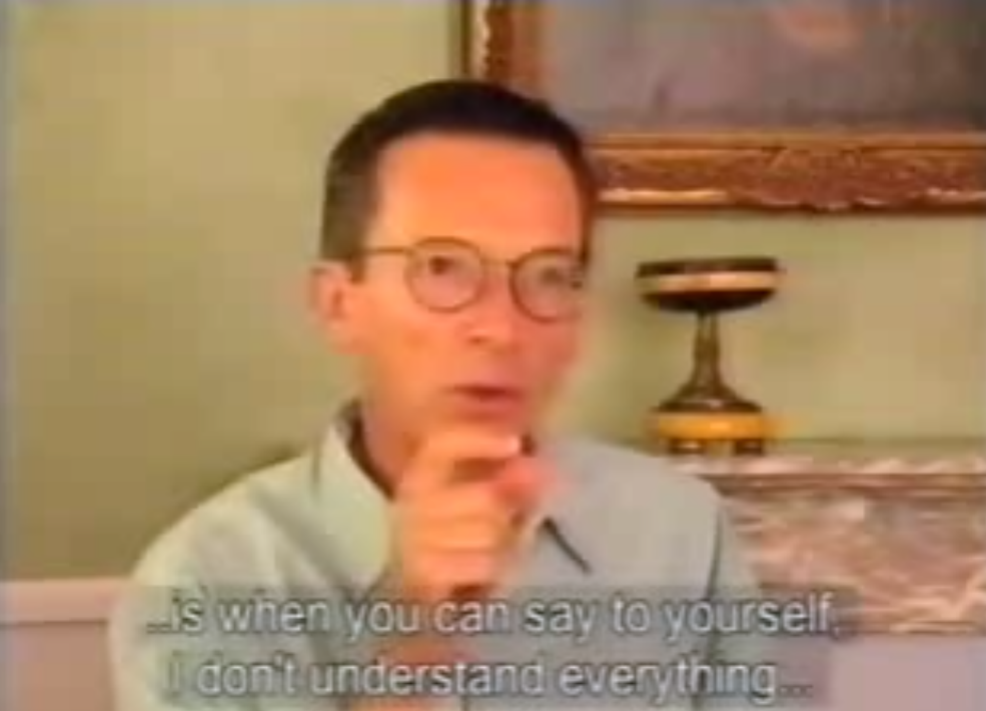 What makes a film opening attract an audience is the fact you don't know everything and you want to know everything. Film makers question themselves. How can I wake them up, capture their attention, and put them on alert?
The movie instructs on how we should watch the film that follows. The movie makers want the audience to get onto their wave length in the beginning of the movie. The wave length that the picture is operating from.
 The opening isn't just establishing story, character. It's establishing tone! The audience is making a very early adjustment to the movie. The viewer questions am I supposed to: laugh, cry, take it seriously, what's the nature of this, how engaged am I going to be? You're establishing many things at once.
The movie instructs on how we should watch the film that follows. The movie makers want the audience to get onto their wave length in the beginning of the movie. The wave length that the picture is operating from.
Thursday, 1 October 2015
3. What is the purpose of a title sequence and film opening?
 We learnt that a title sequence/film opening has a key purpose in setting the scene of a film.
This helps to suspend disbelief to the audience, making them think that what they are watching is real. the genre, atmosphere, location and main character are all integrated in the opening title sequence.
The music and credits used serve to further reinforce the atmosphere of the film, as the opening is a key foreshadowing element of the film.

At the start of most title sequences
there is and ident. This ident shows the audience who the production company and distributers are.
Subscribe to:
Comments (Atom)